
s more reliable and accessible. Understanding the myriad options and what to expect is crucial for those considering surgery.
In this article, you’ll gain insights into how these innovations reshape lives, backed by real-life stories, and learn how to prepare effectively for the surgical process. With information on everything from cutting-edge technology to recovery strategies, this comprehensive guide is designed to offer clarity and support for those contemplating potentially life-changing surgeries.
Key Takeaways:
- Discover the ways surgical advancements are enhancing the quality of life.
- Learn about different procedures and their benefits.
- Gain insights into patient experiences and recovery tips.
Table of Contents:
- Introduction to Modern Surgical Techniques
- Popular Surgical Procedures Today
- The Role of Technology in Surgery
- Patient Experiences: Stories of Transformation
- Preparing for Surgery: What You Need to Know
- Recovery and Aftercare: Tips for a Smooth Journey
- The Future of Surgery: What to Expect
- Resources for Further Reading
Introduction to Modern Surgical Techniques
The world of surgery has seen extraordinary progress over the decades. The landscape has evolved significantly from rudimentary procedures to today’s sophisticated operations. Modern techniques incorporate precision and efficiency, minimizing risks and enhancing outcomes. This transformation offers patients unparalleled opportunities to improve their health and appearance. Experienced Plastic Surgeons in Raleigh North Carolina, can guide you through this transformative journey if you’re exploring options in the Triangle area. New methods in anesthesia, improved sterilization techniques, and precision instruments have all contributed to the dramatic increase in success rates and patient satisfaction observed in the current medical landscape. This suite of advancements has brought about a scenario where patients can approach necessary or elective surgeries with less apprehension and more optimism.
Popular Surgical Procedures Today
Today’s surgical options vary, from elective cosmetic surgeries to essential life-saving operations. Among the most sought-after are plastic surgeries, which include procedures like breast augmentations, rhinoplasties, and facelifts. Patients often pursue these procedures to enhance their appearance and boost confidence. Similarly, orthopedic surgeries, such as joint replacements and spinal fusions, play a critical role in restoring mobility and quality of life for many. These procedures contribute to aesthetic enhancements and address functional issues caused by accidents or congenital conditions. Other prevalent surgical interventions include:
- Cardiac surgery for coronary artery disease.
- Bariatric surgery for weight management.
- Cataract surgery to restore vision.
Each of these surgeries, whether driven by necessity or choice, underscores the transformative potential of modern medicine in addressing a broad spectrum of human needs.
The Role of Technology in Surgery
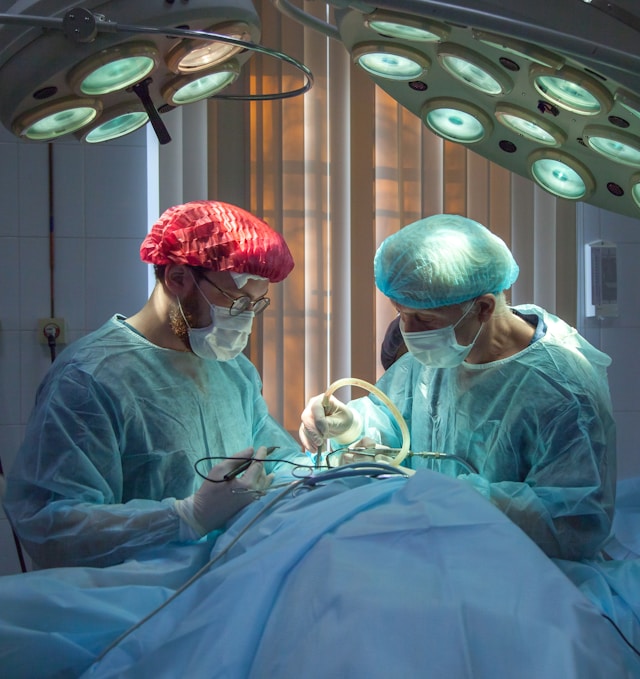
Technological advancements have revolutionized how surgeons perform procedures. Innovations like robotic-assisted surgery and minimally invasive techniques have raised the bar for surgical precision and patient care. These technologies allow for smaller incisions, reduced recovery times, and improved overall outcomes. According to research, technology is pivotal in enhancing surgical precision and efficiency, thus significantly improving surgical success rates. Robotic-assisted surgeries, for instance, provide a more excellent range of motion and can navigate delicate structures with enhanced accuracy, minimizing the risk of complications. Real-time imaging and intraoperative navigation systems further allow surgeons to adapt their techniques dynamically, ensuring each procedure is tailored with unparalleled precision to the patient’s individual needs.
Patient Experiences: Stories of Transformation
Real-life stories are potent examples of the transformative power of surgery. Take Jane, a school teacher who underwent reconstructive surgery following an accident. Her procedure restored her appearance and self-esteem, enabling her to resume her previous activities with newfound confidence. Stories like Jane’s highlight the emotional and physical benefits that modern surgical techniques can offer. Similarly, Mark, who suffered from chronic knee pain, underwent a minimally invasive joint replacement that allowed him to return to his passion for hiking. These narratives, while individual, collectively underscore an overarching narrative of renewal and restoration that many patients experience. These personal transformations often extend beyond physical improvements, increasing opportunities for personal growth and enhanced social interactions as patients fully reengage with their communities.
Preparing for Surgery: What You Need to Know
Preparation is critical to a successful surgical experience. Patients should thoroughly research their chosen procedure, ask questions, and clearly understand what to expect. Pre-surgical preparations might include lifestyle adjustments, pre-operative tests, and mental readiness to ensure a smooth process. Setting realistic expectations is also crucial for postoperative satisfaction. Discussions with your surgeon should cover a breadth of topics, including procedure benefits, potential risks, recovery timelines, and financial considerations. This comprehensive preparation ensures that patients are physically and emotionally prepared for surgery, which can lead to better overall outcomes and satisfaction.
Recovery and Aftercare: Tips for a Smooth Journey
The recovery period is as important as the surgery itself. Proper aftercare includes following a balanced diet, adhering to practitioner exercise regimens, and ensuring adequate rest. It’s vital to follow medical advice to prevent complications. Research emphasizes the importance of proper aftercare by highlighting how compliance with medical guidelines is crucial to patient recovery. For example, adequate wound care, taking medications as prescribed, attending follow-up appointments, and engaging in recommended physical therapy can significantly improve recovery outcomes. Support from family and peers provides additional encouragement during this phase, promoting an environment conducive to healing.
The Future of Surgery: What to Expect
The future of surgical techniques holds exciting possibilities. Innovations like 3D printing for organ creation and augmented reality in surgical training are on the horizon. These advances promise to refine surgical precision, enhance training for medical professionals, and ultimately improve patient outcomes. As technology advances, the possibilities in surgical procedures expand, offering a brighter outlook for more personalized and less invasive options in the future. The integration of artificial intelligence is also predicted to play a vital role in diagnostics and procedure planning, further augmenting the capabilities of human surgeons and potentially leading to breakthroughs in complex and multifactorial surgical challenges.
Resources for Further Reading
To learn more about modern surgical techniques, explore resources such as medical journals, books by renowned surgeons, and online articles from reputable health organizations. Staying informed empowers patients to make informed decisions about their healthcare, enhancing their individual surgical experiences and contributing to better overall health outcomes.